As Ukrainian cities are bombed almost nightly by Russia, the idea of holding elections here might seem fanciful.
But in the streets and offices of the capital, Kyiv, the prospect of the country going to the polls is once again being discussed.
Election rumours have come and gone in the three long years of Russia’s full-scale war.
Each time they have been dismissed by government, opposition and public alike, arguing unity of effort against the Russian invader must come first.
A presidential election due in 2024 was suspended in line with martial law, which was introduced in Ukraine following Russia’s full-scale invasion two years earlier.
But that hasn’t stopped the Kremlin from claiming President Volodymyr Zelensky is an illegitimate leader and demanding new elections as a condition of a ceasefire deal – a talking point which has been repeated by President Trump.
Now there has been a fresh flurry of speculation that Zelensky might just be thinking again as ceasefire talks proceed, and some sources speaking to the BBC suggest there are reasons to think elections could go ahead later this year.
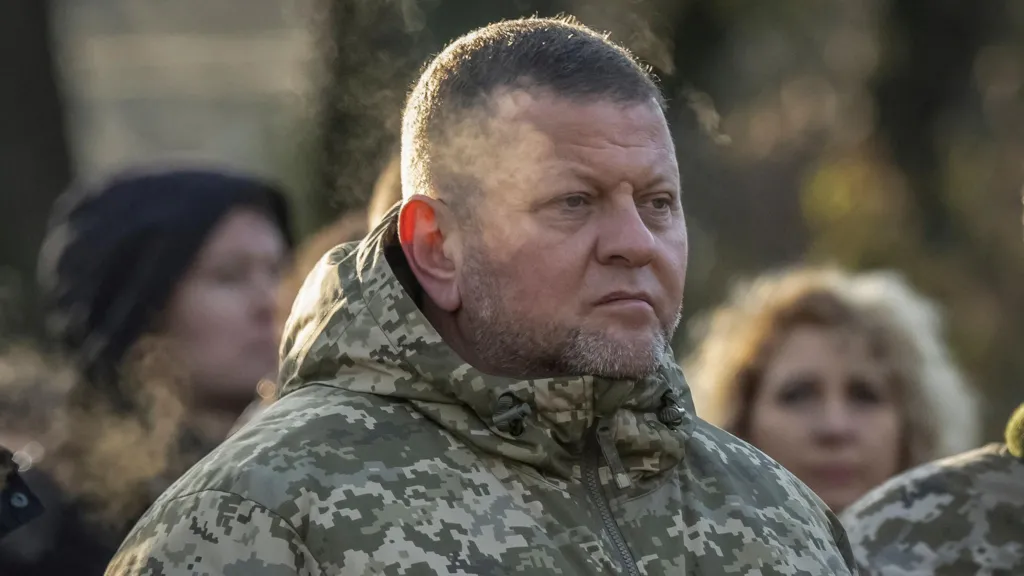
The president’s potential closest rival, Valerii Zaluzhnyi, former commander in chief of Ukraine’s army, has felt the need to deny rumours about his intentions.
“My answer to this has not changed,” he told the RBC-Ukraine news agency. “While the war continues, we all need to work to save the country, not think about elections. I don’t comment on any rumours.”
That the publicity-shy Zaluzhnyi, currently Ukraine’s ambassador in London, felt the need to issue a statement was striking in itself.
The head of Ukraine’s Central Election Commission, Oleh Didenko, also chose to speak publicly about the speculation.
He told the Ukrainska Pravda news website the law would have to be changed before any elections could take place. He said current rules stated that parliamentary elections must be held 60 days after the lifting of martial law, and 90 days for presidential elections.
But more time would be needed because of the war and that would require legal changes.
The Economist newspaper claimed Zelensky held a meeting last week to discuss an election and instructed staff to prepare for a vote once the United States had forced Russia into accepting a ceasefire, potentially as early as Easter.
This report was denied by several government sources.
“There is fake information there,” one presidential source told BBC News Ukrainian. “There was no such meeting and there was no such instruction.”
The government source said the main focus was achieving peace and there was little hope of the war ending by Easter.
So in the face of so many public denials, why do some still think an election might be in the offing?
First, some sources note Zelensky’s support in the polls has picked up since he was harangued by Donald Trump and Vice-President JD Vance in the White House.
A poll by the Kyiv International Institute of Sociology (KIIS) in March suggested the number of Ukrainians who trusted Zelensky was up a couple of points on the previous month at 69%.
Diplomats say the president might think now was his best chance of winning a second term rather than wait until political divisions emerge after the war.
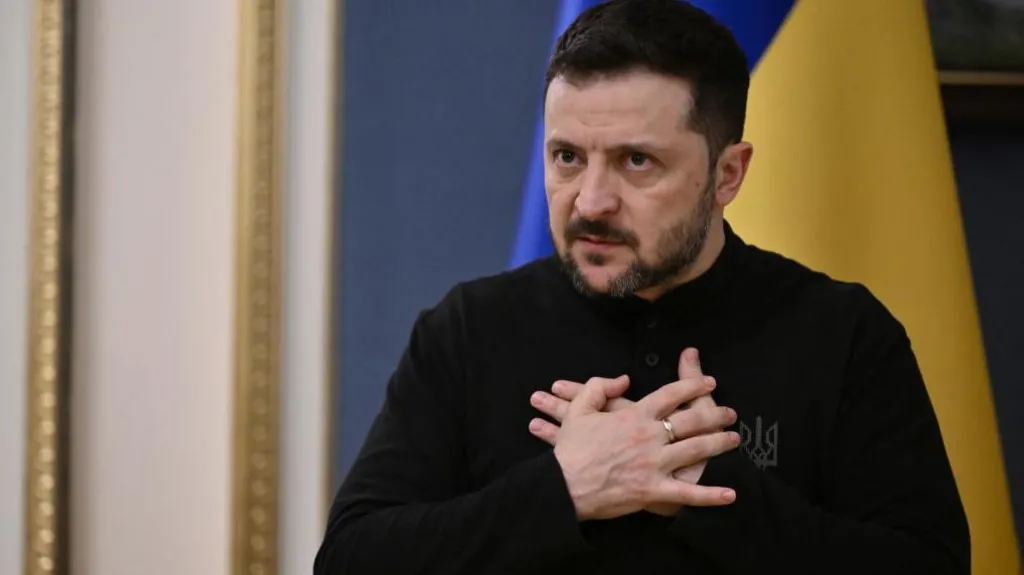
Second, by winning a second term, Zelensky would call Russia’s bluff and strengthen his hand in any long-term peace negotiations. Only last week President Vladimir Putin said the United Nations should take over Ukraine and organise a “democratic presidential election”. His assumption – perhaps mistaken – is that Zelensky would be replaced.
Third, martial law must be renewed by parliamentary vote in early May. Zelensky could use that timetable to announce martial law would be allowed to lapse with elections held later in the summer.
Fourth, the Americans are convinced elections are coming. Steve Witkoff, President Trump’s special envoy, told the Tucker Carlson podcast on March 21: “They’ve agreed to it. There will be elections in Ukraine.”
Zelensky could use this pressure from the US – echoing Russian narratives – as a pretext, telling voters he had no choice but to hold elections.
Fifth, some Ukrainian sources believe logistical obstacles to elections can be overcome.
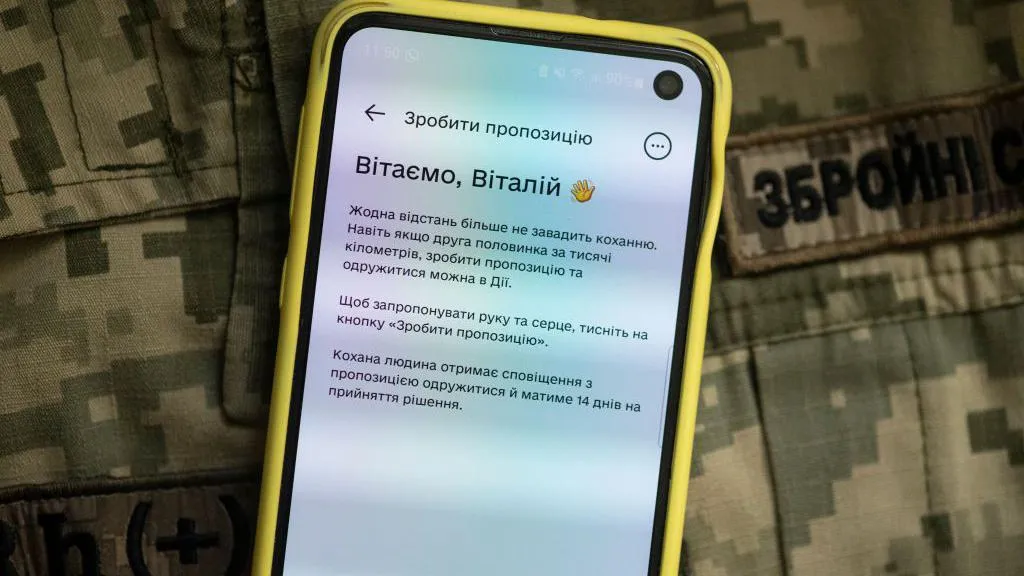
Millions of citizens are displaced overseas, on the front line and in occupied territories. The answer to that, some say, is to allow people to vote using a smart phone app called Diia. This contains people’s core documents such as passport, identity card and drivers’ licence.
Using Diia, some argue, would allow people to vote quickly, cheaply and safely without having to travel to a polling booth overseas or in the trenches. They point out Ukrainians have used it successfully to vote in the Eurovision Song Contest. They also note President Zelensky gave every Ukrainian almost £20 as a winter allowance last December, with many registering for it using Diia.
But there remain many arguments against elections.
Using Diia would require new legislation that might struggle to get through parliament. Diia could be vulnerable to cyber-attack and technical failure. Western governments may not consider it trustworthy; Russia certainly would not.
Even if Diia were used, identifying who could vote would still take time with incomplete and out-of-date registers.
Lifting martial law during a temporary ceasefire could create unexpected consequences – including the flight of hundreds of thousands of soldiers from the front line – just as Russia prepared a counterattack. Russia could strike queues of voters at polling stations.
Any elections, however quickly held, would allow war-time unity to be replaced by political rows. An election would allow Russia to deploy digital and other propaganda to try to shape the result.
Holding an election may also be seen as accepting Russian arguments that Volodymyr Zelensky’s leadership is illegitimate because of the suspended elections last year.
Perhaps the strongest argument against elections is that Ukrainians themselves do not want them. That same March poll by the KIIS found about 78% of people opposed holding elections even after a complete settlement of the war.
Source:BBC


