The green turtle has been rescued from the brink of extinction in what scientists are calling a major conservation victory.
Once hunted extensively for turtle soup, its eggs as a delicacy and decorative shells, the ancient mariner saw its numbers plummet and has been listed as endangered since the 1980s.
Now, thanks to decades of global conservation efforts – from protecting eggs and releasing hatchlings on beaches to reducing accidental capture in fishing nets – new data shows green turtle populations are rebounding.
“We must use this win as a catalyst to achieve numerous other wins,” said Dr Nicolas Pilcher of the Marine Research Foundation, a non-profit based in Sabah, Malaysia.
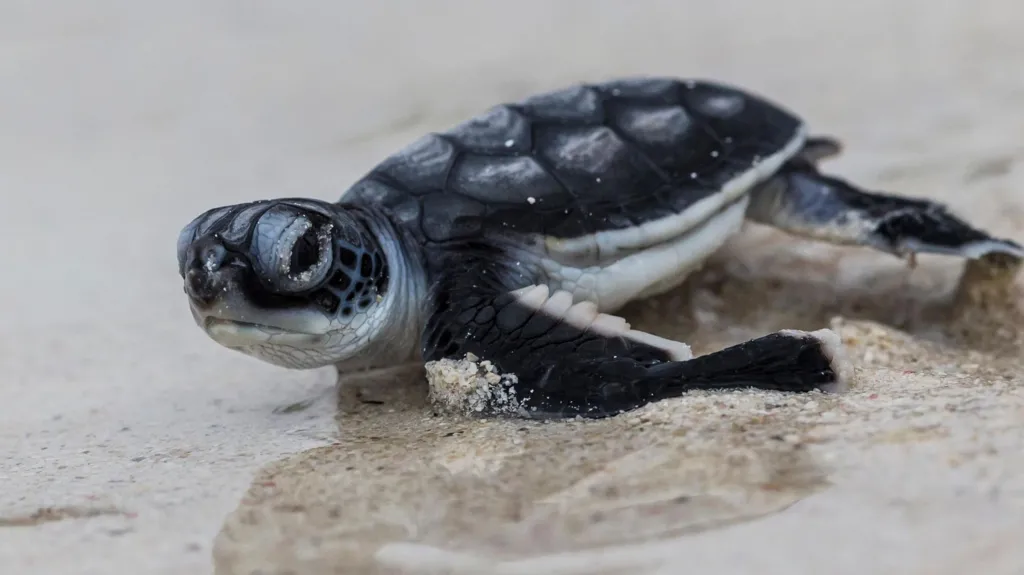
Green turtles are one of the largest species of sea turtles, named for the greenish colour of their body fat, which comes from their plant-based diet.
They are one of seven living species of sea turtles, two of which are critically endangered.
Prof Brendan Godley, a conservation scientist at the University of Exeter, said green turtle populations in many parts of the world are showing signs of recovery because of conservation over the last five decades, and while this work must continue for years to come, it gives cause for optimism.
“Sea turtles are iconic and charismatic species… they inspire people,” he said. “Hundreds of thousands of people have been working for decades to try and look after these creatures, and undoubtedly, it has had an impact.”
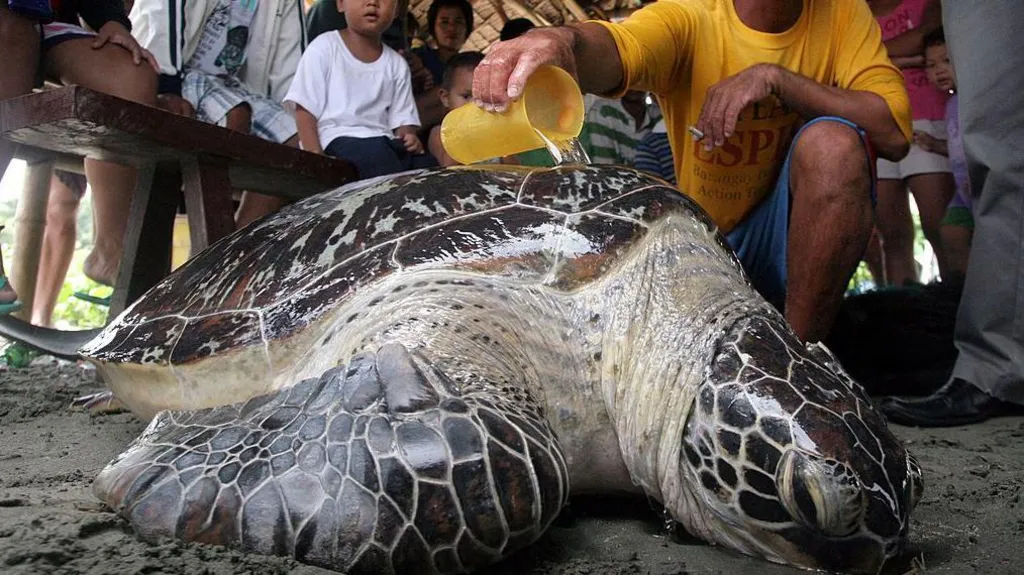
The conservation efforts include patrolling beaches, protecting females and their eggs at nesting sites, releasing hatchlings into the sea, education and awareness to reduce turtles being killed for meat and eggs, and using measures to stop turtles being captured in fishing nets.
Green turtles are one of the largest species of sea turtles, named for the greenish colour of their body fat, which comes from their plant-based diet.
They are one of seven living species of sea turtles, two of which are critically endangered.
Prof Brendan Godley, a conservation scientist at the University of Exeter, said green turtle populations in many parts of the world are showing signs of recovery because of conservation over the last five decades, and while this work must continue for years to come, it gives cause for optimism.
“Sea turtles are iconic and charismatic species… they inspire people,” he said. “Hundreds of thousands of people have been working for decades to try and look after these creatures, and undoubtedly, it has had an impact.”
The conservation efforts include patrolling beaches, protecting females and their eggs at nesting sites, releasing hatchlings into the sea, education and awareness to reduce turtles being killed for meat and eggs, and using measures to stop turtles being captured in fishing nets.
The latest Red List of endangered species was revealed at the IUCN (International Union for the Conservation of Nature) world congress in Abu Dhabi.
The unenviable list now includes 172,620 species, of which 48,646 are threatened with extinction.
Species are moved between categories when new data shows changes in their population, habitat or threats.
If a species becomes more at risk – for example, its numbers fall or its habitat is damaged – it may be moved to a higher-risk category such as Endangered; if it recovers thanks to conservation efforts, it may shift to a lower-risk category like Near Threatened or Least Concern.
The green turtle has been downgraded from Endangered to Least Concern. However, despite recent gains, green turtles are still far below their historic numbers due to past overexploitation and ongoing threats like fishing, habitat loss and climate change.
In places like Raine Island, Australia, fewer baby turtles are hatching, showing that conservation efforts are still urgently needed.
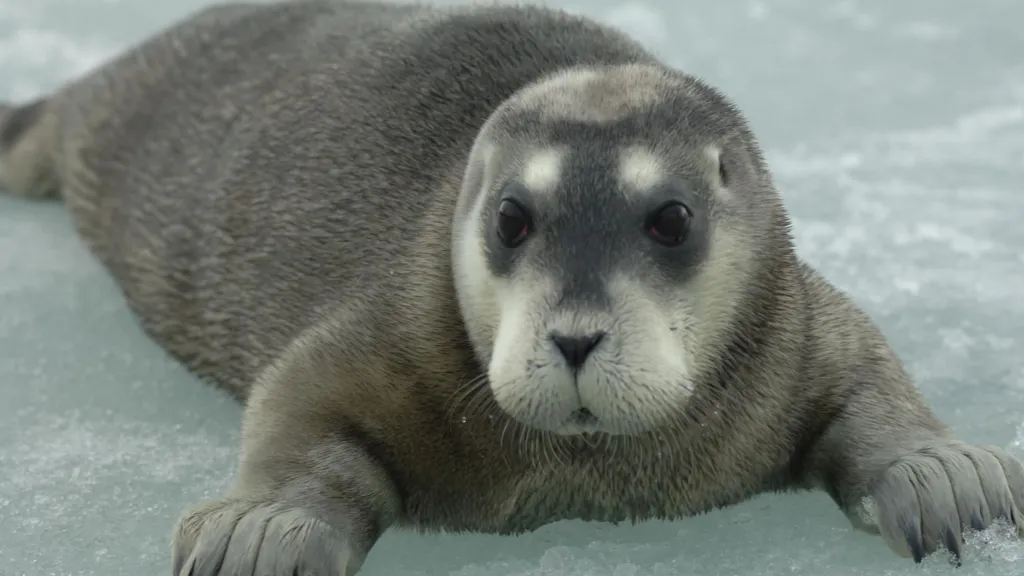
The update to the endangered list brought bad news for other species, including Arctic seals, which are moving closer to extinction as sea ice is lost to climate change.
The hooded seal has moved from Vulnerable to Endangered, while the bearded and harp seals are now Near Threatened due to shrinking sea ice.
Arctic seals depend on sea ice for breeding, resting and feeding, and its loss puts their survival at risk.
Source:BBC


