Reporting from
Los Angeles, California
With its sun-drenched lifeguard towers, bronzed surfers and bikini-clad volleyball players, Will Rogers State Beach is one of the most recognizable stretches of sand in the world thanks to the global cult classic “Baywatch”.
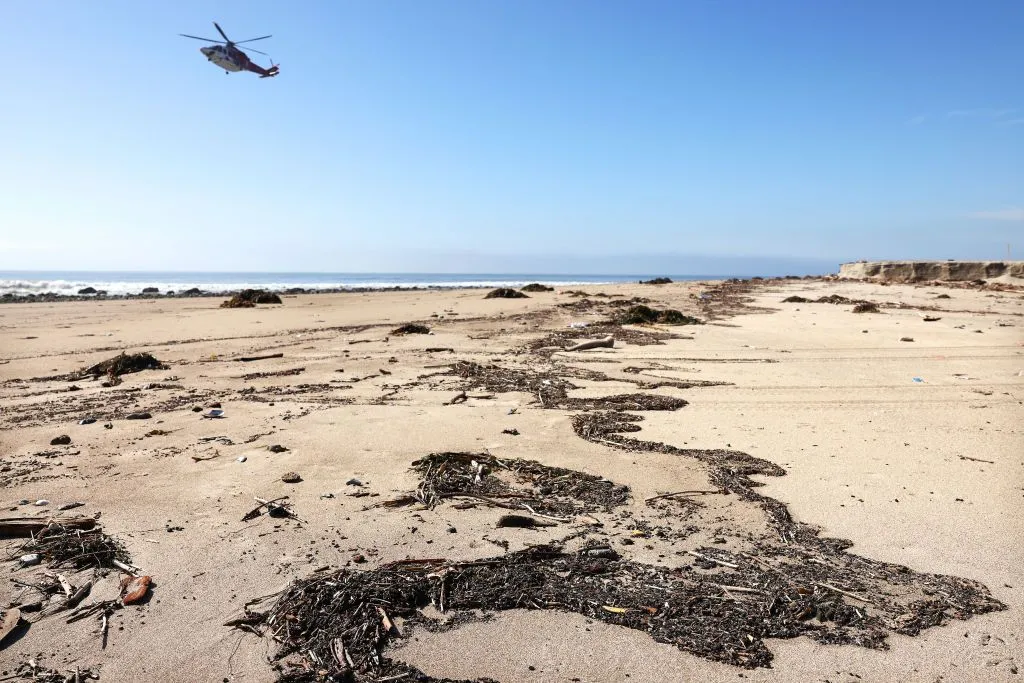
But now the iconic beach is surrounded by the ruins of burned homes and palm trees, its parking lot a sorting ground for hazardous waste from the wildfires. The beach babes have been replaced by Environmental Protection Agency crews in hazmat suits sifting through melted electric car batteries and other hazardous waste before it’s trucked away to landfills.
The Palisades and Eaton fires generated a staggering amount of debris, estimated to be 4.5 million tonnes. In comparison, the devastating Maui fires of 2023 generated about 400,000 tonnes, according to the US Army Corps of Engineers.
Those fires took three months of clean-up by the EPA, which is in charge of removing hazardous waste. But now the agency is hoping to finish their job in LA in just a month – by 25 February – after President Donald Trump signed an executive order demanding the EPA “expedite the bulk removal of contaminated and general debris”.
The decision to sort through the hazardous waste along the coast has prompted protests and as the clean-up of fire debris moves at unprecedented speeds, many are asking if and when the ocean water will be safe for swimming and surfing.

“In this very vulnerable place, they’re sorting this very hazardous, hazardous stuff,” said actor and environmentalist Bonnie Wright.
“To me, this feels like 10 steps backwards, because you’re literally putting this waste even closer to the beach than it already is in the burn sites.”
Ms Wright, who played Ginny Weasly in the Harry Potter films, wrote a book on sustainability and devotes most of her time now to environmental causes.
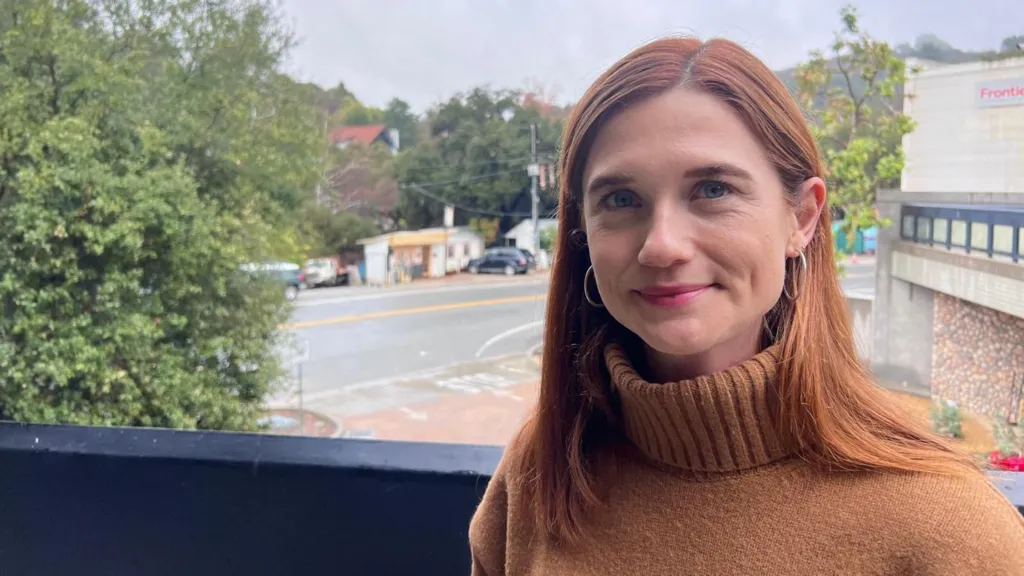
While their battle to move sorting sites away from the coast ultimately failed, she said activists were successful in urging the EPA to move burned electric vehicle batteries to the Will Rogers site down the road and away from the sensitive Topanga Creek watershed.
The EPA said the burned vehicle batteries are an especially dangerous challenge but that the agency has the expertise to deal with them. To sift waste, they need a large space with roads big enough for truck traffic – which is why the Pacific Coast Highway, which runs along the beach, is more attractive than inside the windy, mountainous roads of the Palisades.
When lithium ion batteries are damaged – especially by the high heat and flames of a wildfire – they have the potential for reigniting and exploding days, weeks, or even months after they’ve been impacted, said Steve Calanog, the EPA’s incident commander for the LA fires.
“We have to treat them like unexploded ordinance, or, as the military calls it UXO,” he said.
Although some have questioned the speed with which the EPA has moved to clean up the toxic debris, he said there is no time to waste.
“We have to do this very quickly,” he said, noting that they started sorting waste even as the fires were still raging.
“If we are delayed, the risk of impacting the ocean, it goes up again.
Mr Calanog was also in charge of the EPA response to the Maui fires, which may hold clues for how to measure what is safe and reasonable when it comes to testing water and soil samples.
Many are concerned about the impacts of heavy metals and chemicals in the air and water after the fires. In Maui, it’s been nearly 18 months since the fires and a small part of the coast around Lahaina is still closed to the public. The Army Corps of Engineers – which removes heavy debris after the EPA removes hazardous waste – just finished their last haul from Lahaina on 20 February.
But most of Maui has remained open to locals and tourists and the Hawaii Department of Health announced eight months after the fires that the coastal waters around Lahaina were safe for ocean recreation.
The scale of the clean-up from the Los Angeles fires, however, is unprecedented and the largest in US history.
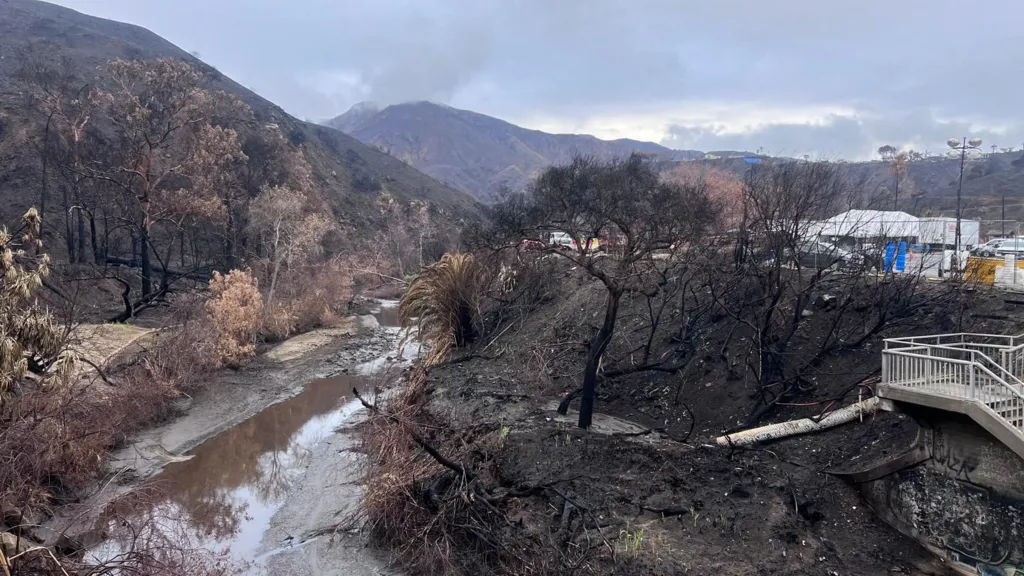
LA County closed beaches along a nine-mile (14 km) stretch for weeks following the fires in January. Then torrential rain – while helping douse any smouldering embers – caused mudslides in the burn area and runoff of toxic ash and chemicals into the ocean, prompting further closures.
Now most beaches are reopened but a water advisory remains in effect along the coast from Santa Monica to Malibu until further notice advising “beach goers may recreate on the sand but continue to be advised to stay away from visible fire debris and to stay out of the ocean water during any posted ocean advisory”.
Only the most dedicated and local surfers could access the beaches in the burn area anyway – there’s no parking or stopping for about 9 miles along Pacific Coast Highway, which is clogged with trucks and workers cleaning up debris.
Though some will risk most anything to catch a good wave.
While touring the EPA sorting site, Annelisa Moe said she saw two surfers in the water at a popular surf break on Topanga Beach while she watched workers across the street in full PPE handling burned EV car batteries.
“The water looked like chocolate milk with like brown foam on it,” recalled Ms Moe, who is the associate director of Science & Policy, Water Quality at Heal the Bay, an environmental nonprofit dedicated to making coastal watersheds healthy.
“It was one of those days, in between storms, like beautiful, sunny, 75 degree weather type of days,” she said. “And so it felt a little bit odd to be there amidst the destruction while we have this perfect beach day.”
Jenny Newman of the Los Angeles regional water quality control board told an LA County Public Health virtual town hall on 18 February that the initial water quality tests they conducted on 22-27 January “came back better than we expected.” But the water board cautioned that people should follow county advisories to stay out of the water near the burn site.
Dozens of scientists and volunteers from Heal The Bay and a myriad of private and public sector agencies have also been testing water and soil samples to see what levels of forever chemicals and heavy metals are present in the ocean, but toxic analysis can take 4-6 weeks and there’s very little data available.
At the Surfrider Foundation, volunteers test the ocean water all year long. But their small lab is testing for fecal bacteria – not arsenic. Now it’s too dangerous to expose volunteers in the burn areas, so the staff have partnered with Heal the Bay and the University of Southern California to process their water samples.
“All our community members are ocean lovers. We have the same questions they have,” said Eugenia Ermacora of the Surfrider Foundation. “It’s a concern, and everybody is asking, When can we go back? When is it safe? And I wish I had an answer.”
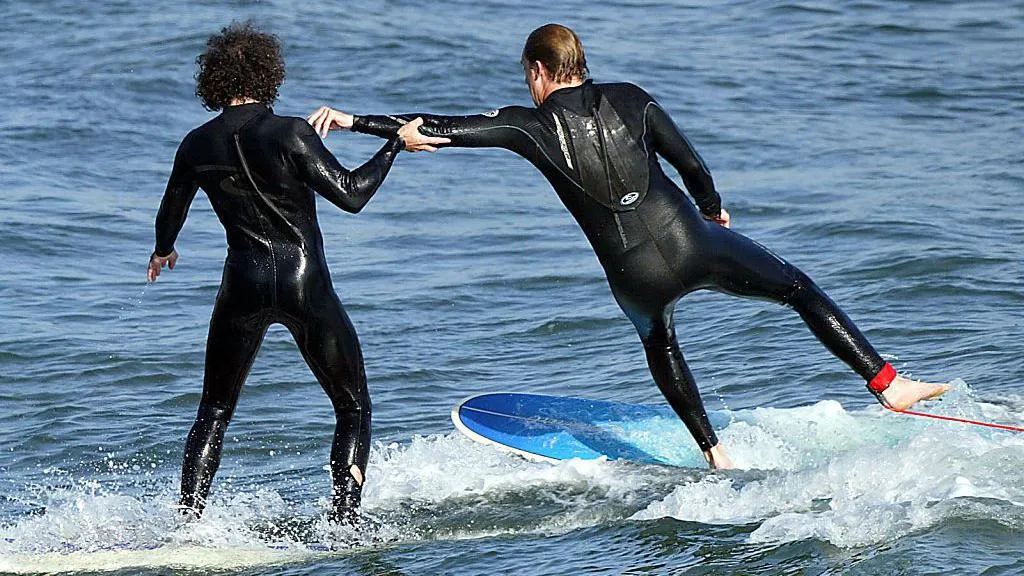
Chad White, a surfer who grew up in the Palisades and who protested against the EPA sorting site along the Pacific Coast Highway, said there’s no way he would surf there now – it would be too painful to look at the coast and be reminded of what has been lost. And there’s too much metal and other debris in the surf.
“It’s taken my desire to surf down to zero, not just because of the water quality, but just because of what’s happening,” he said over coffee in Topanga Canyon. He rode his first wave in 1977 at Will Rogers State Beach and taught his son to surf at age four and his wife at age 60.
“It’s earth-shattering to someone like me,” he said of the destruction along the coast. “That beach means something to me too, and I’m one person. There are tens of, maybe hundreds or thousands of us that utilize the beach every day.”
Many of Mr White’s friends lost their homes and he said people are traumatised to see what the landscape and coast around them looks like now.
“Every movie that you see, every film that makes anybody from any other part of the world want to come to California is based on their seeing that Pacific Coast Highway and those beautiful homes in Malibu, across along the beach. They’re all gone,” he said. “Now it’s a toxic waste dump.”
Source:BBC


