Matcha mania is sweeping the world. The bright green Japanese tea can be found in everything from Starbucks’ lattes in the UK to Krispy Kreme doughnuts in Singapore.
The global matcha craze is being driven by social media, with influencers sharing brewing tips, reviews and recipes. The “Matcha Tok” hashtag has clocked up tens of millions of views.
Matcha’s growing popularity is also linked to Japan’s post-pandemic tourism boom, with the country’s weak currency making it an attractive destination as well as boosting demand for Japanese goods.
In the midst of the hype, demand for the powder is soaring. US-based tea importer Lauren Purvis tells the BBC her customers are seeing what was once a month’s supply of matcha running out in days.
“Some cafes are even asking for a kilo a day. They’re desperate to keep up,” says Ms Purvis, who runs Mizuba Tea Co.
But that surging demand, combined with smaller tea crops due to heatwaves and US tariffs on Japan, is alsopushing up matcha prices.
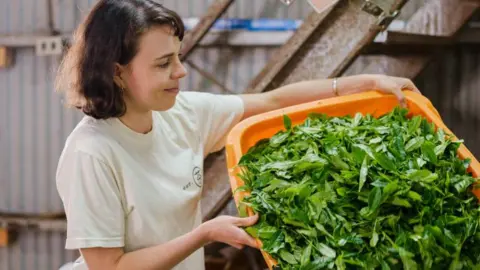
Traditionally, Matcha – which is sought for its health benefits, caffeine and flavour – is the product of a centuries-old and highly-specialised process.
It is made from green tea leaves called tencha, which are kept under shade for weeks while they’re still growing. This step is crucial for developing the tea’s signature “umami” flavour – a savoury taste that complements its natural sweetness.
The leaves are harvested, driedand ground into powder using stone mills, which can produce just 40g (1.4oz) of matcha an hour.
But in recent months growers have struggled, as record-breaking heatwaves have hit crops.
In the Kyoto region, where about a quarter of Japan’s tencha comes from, hot weather has led to poor harvests even as demand soars.
The country also faces a shortage of farmers as its population ages and not enough younger people go into the industry.
Shops in Uji, a city in Kyoto famous for matcha, often see their shelves emptied by tourists as soon as their doors open.
As a result, many retailers have set limits on how much customers can buy.
Kyoto-based Camellia Tea Ceremony allows customers to purchase only one tin of matcha each as visitor numbers doubled over the last year, says director Atsuko Mori.
Tea master Rie Takeda says she alsohas to closely monitor her stocks of matcha, as orders that would previously arrive in just days can now take more than a week.
She works for Chazen, a tea ceremony chain based in Tokyo, which hosts traditional rituals serving matcha to guests.
Shortages mean tea prices at Chazen’s outlets have risen by around 30% this year.
“[The demand] is good,” Ms Takeda said through a translator. “It’s a gateway for more people to know about Japanese culture.”
It has also attracted more growers.
Matcha production nearly tripled between 2010 and 2023, according to Japan’s agricultural ministry.
It also says green tea exports, including matcha, also rose 25% last year to 36.4bn yen (£180m; $250m).
Savour, not hoard
The matcha craze has sparked a movement to promote more mindful consumption.
Advocates call out people they see as hoarding matcha or profiteering from its popularity. Others urge tea drinkers to be careful about how much they use, and to savour matcha in its purest form rather than as an ingredient in recipes.
It’s “a bit sad” to see high-grade matcha used in cooking – where its delicate flavour is often lost – or stockpiled for resale, said Ms Mori.
“Matcha is the highest grade of tea and it’s so special to us. So there’s a bit of a contradiction when I hear stories about how it’s resold or used in food.”
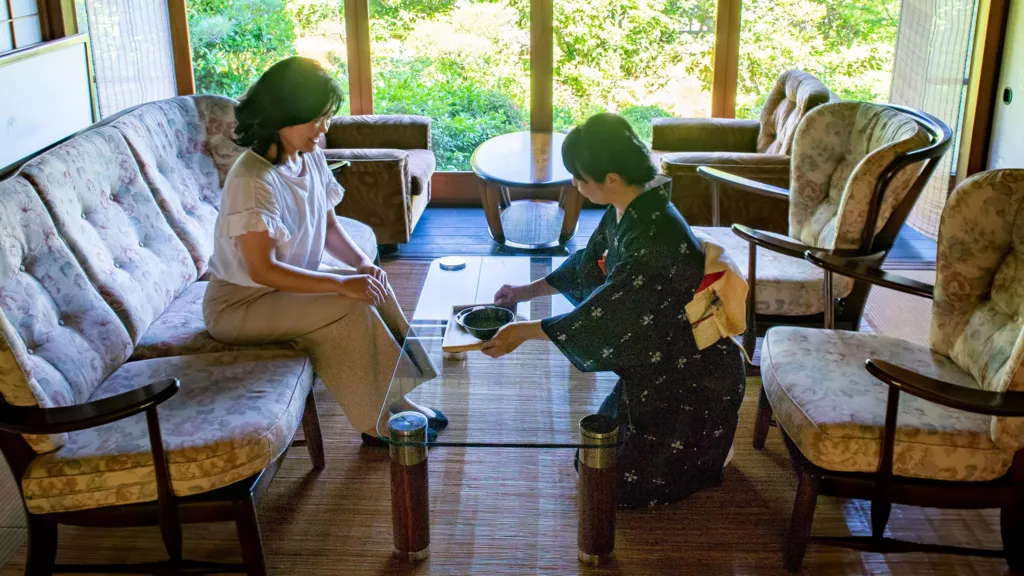
The Global Japanese Tea Association is encouraging people to use lower-grade matcha from later harvests, which is more abundant and better-suited for cooking.
High-grade matcha often loses its delicate flavour when used in drinks like lattes, it adds.
“Promoting awareness of these distinctions helps ensure Japanese tea is enjoyed with respect, while supporting the craft and tradition behind it,” the association says.
It also says matcha prices are likely to rise further due to tariffs the US is imposing on Japan.
On Tuesday, Washington and Tokyo announced a trade deal that will mean a 15% import tax on Japanese productsgoing into the US.
Matcha distributors like Ms Purvis are bracing for the impact. The Oregon-based entrepreneur says orders surged by more than 70% in early July ahead of a deadline for the two countries to reach a trade agreement.
“As Japanese tea is not grown in the US, there is no American industry under threat that tariffs need to protect,” she said. “We hope there will be a realisation that specialty tea should be exempt.”
Even as soaring demand and limited supplies push up prices, there is some light on the horizon.
At least one matcha cafe chain thinks prices could ease in the future – although not for a while.
“Low quality matcha is selling for a high price, and we think that this will no longer be a viable business,” Masahiro Nagata, co-founder of the Matcha Tokyo, told the BBC.
“There is a boom at the moment and demand is growing rapidly, but we think that will calm down a bit in two to three years.”
Source:BBC


